FAQs
Frequently Asked Questions
Answers to common questions about restorative dentistry at Downtown Dental in Rapid City.
What does restorative dentistry actually include?
Restorative dentistry covers treatments that repair damaged or missing teeth, including tooth-colored fillings, dental crowns, bridges, inlays, onlays, and implant restorations. It also includes root canal therapy when a tooth's nerve is infected or damaged. Each treatment is chosen based on how much of the natural tooth remains and how it needs to function in your bite.
How do I know if I need a filling or a crown?
If decay or damage is limited to a small area of the tooth, a filling is usually enough to restore it. When a large portion of the tooth structure is compromised by a crack, extensive decay, or a prior root canal, a crown offers more complete coverage and strength. We will show you your X-rays and explain exactly why one option is recommended over the other.
Will my restoration match the color of my natural teeth?
Yes. We use tooth-colored composite resin for fillings and porcelain or ceramic materials for crowns and bridges, both of which are shade-matched to your surrounding teeth. The goal is for the restoration to blend in so well that it is difficult to tell which tooth was treated. This matters just as much for back teeth as it does for the ones visible when you smile.
Is getting a crown or filling a painful procedure?
We numb the area thoroughly with local anesthesia before any drilling or shaping begins, so patients typically feel pressure rather than pain during the procedure. Most people experience only mild sensitivity for a day or two afterward, especially with crowns. We will give you clear aftercare instructions and are always available if you have discomfort that does not settle down.
How long does a dental crown or bridge typically last?
With good home care and regular checkups, a well-fitted crown or bridge can last 10 to 15 years or longer. Lifespan depends on factors like grinding habits, diet, and how well the surrounding gum tissue stays healthy. Wearing a night guard if you grind your teeth and keeping up with cleanings are the biggest factors in extending that lifespan.
What happens if I ignore a cracked or decayed tooth?
Decay and fractures only get worse with time, often spreading deeper into the tooth until the nerve becomes infected. At that point, a simple filling is no longer an option and the tooth may need a root canal, a crown, or in severe cases, extraction. Addressing the problem early almost always means a faster, less expensive, and less invasive treatment.
Do you offer options for replacing a missing tooth?
Yes. Depending on your bone health, bite, and personal preference, we can discuss a fixed bridge, a partial denture, or a dental implant topped with a custom crown. During your consultation we will review the pros and cons of each option, along with realistic timelines, so you can choose the solution that fits your needs and budget.
Does insurance cover restorative dental treatment?
Most dental insurance plans cover a portion of restorative procedures like fillings, crowns, and bridges, though coverage percentages vary by plan and treatment type. Our team will review your benefits before treatment begins and provide a clear estimate of your out-of-pocket cost. We also offer payment plans for larger restorative cases that are not fully covered.

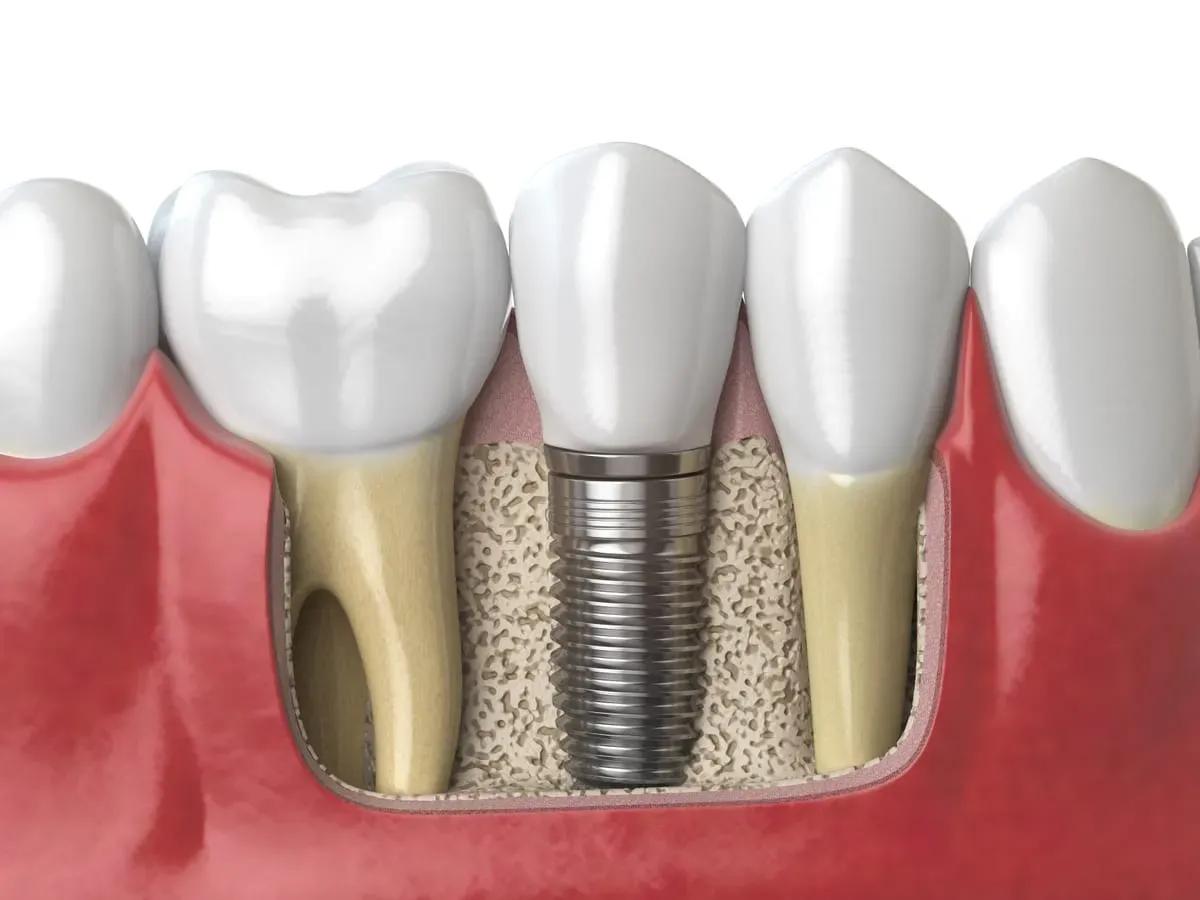 Implant Restorations