Restorative Care

Implant Restorations in Rapid City, South Dakota

Replace missing teeth with a permanent, natural-looking solution built to restore your bite, your smile, and your confidence.

Implant Restorations in Rapid City, South Dakota
Tooth Replacement

Implant Restorations in Rapid City, South Dakota

Losing a tooth changes more than your smile. It changes how you chew, how your jawbone holds up over time, and how confident you feel when you laugh or talk with friends. At Downtown Dental, implant restorations give patients in Rapid City a way to replace missing teeth with a result that looks, feels, and functions like the real thing - not a removable substitute you have to think about every day.

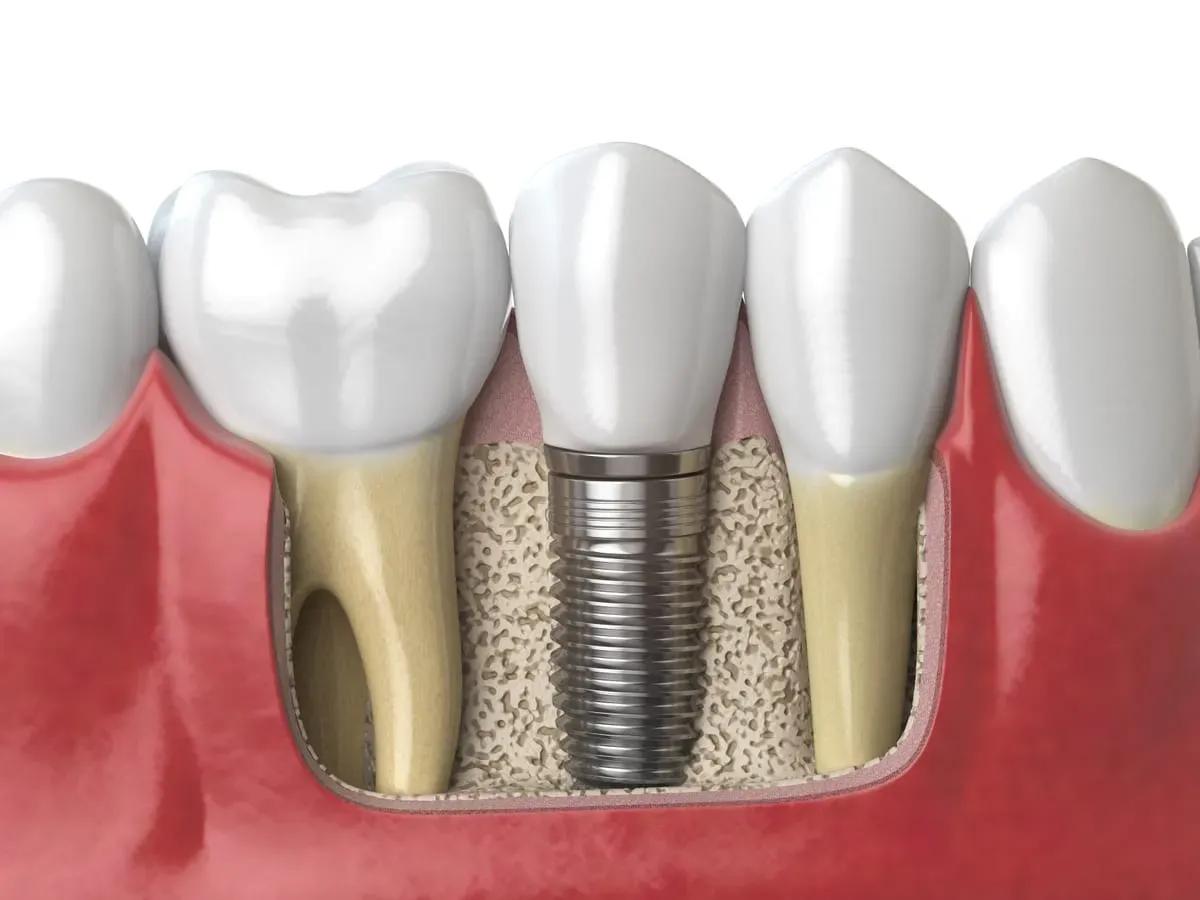
An implant restoration pairs a titanium post, placed securely in the jawbone, with a custom-made crown, bridge, or denture attached on top. The post fuses with your bone over several months, creating a stable foundation that doesn't shift, click, or rely on adhesive. Because the restoration is matched to your bite and the shade of your natural teeth, most people who meet you won't be able to tell which tooth is the implant.

Our team takes a conservative, root-cause approach to every case. Before any treatment begins, we evaluate your bone density, bite alignment, and gum health so the final restoration holds up for years, not just months. We walk you through every stage of the process in plain language, so you always know what to expect and why.

Schedule a Consultation

Signs You May Be a Candidate for Implant Restoration

Tooth loss affects people differently depending on which tooth is missing, how long it's been gone, and how it's being managed right now. Here are common situations where an implant restoration is worth discussing with our team.

  • A missing tooth you haven't replaced: Gaps left untreated allow neighboring teeth to shift and the jawbone underneath to shrink over time.
  • An ill-fitting removable partial or denture: If your current appliance slips, rubs sore spots, or needs adhesive to stay put, an implant-supported option can stabilize it.
  • A failing bridge: Bridges rely on healthy teeth to anchor them. If those anchor teeth are weakening, an implant can replace the whole structure without grinding down more natural teeth.
  • Difficulty chewing on one side: Favoring one side of your mouth because of a missing or damaged tooth puts uneven strain on your jaw joint and remaining teeth.
  • A tooth that was extracted recently: The window after extraction is often the ideal time to plan for an implant, before the bone has had time to recede.
  • Self-consciousness when smiling or speaking: Gaps in your smile line can affect speech clarity and your comfort in social or professional settings.
  • Bone loss near a missing tooth site: Early evaluation can determine whether bone grafting is needed to support a future implant.
  • Multiple missing teeth in a row: Implant-supported bridges can replace several teeth at once without relying on your remaining natural teeth for support.
  • A full denture that feels loose: Implant-retained overdentures snap onto a set of posts, dramatically improving stability and chewing force.
  • Jaw or facial changes from long-term tooth loss: Sunken cheeks or a collapsed bite can sometimes be improved by restoring lost dimension with implants.

Every mouth tells a different story, and some of these signs overlap with other dental issues. A thorough exam, including imaging of your jawbone, is the only reliable way to know whether implant restoration is the right next step before a gap or a failing restoration causes further bone loss or bite problems.

Why Teeth Are Lost in the First Place

Understanding what led to tooth loss helps us plan a restoration that addresses the underlying issue, not just the gap. Several factors often combine to put a tooth at risk.

Advanced Tooth Decay

Deep cavities that reach the nerve or compromise most of the tooth structure can make a tooth too weak to save, even with a root canal and crown.

Gum Disease

Periodontal disease breaks down the bone and ligaments that hold teeth in place, eventually causing teeth to loosen or fall out entirely.

Trauma or Injury

A sports injury, fall, or accident can fracture a tooth below the gumline or knock it out completely, often requiring immediate evaluation.

Failed Prior Restorations

An old filling, crown, or root canal that fails or cracks can sometimes damage the remaining tooth structure beyond repair.

Years of Untreated Gaps

When a missing tooth is left unaddressed, neighboring teeth drift, the bite shifts, and bone in the empty socket gradually resorbs.

Chronic Teeth Grinding

Persistent clenching or grinding places repeated stress on teeth that can lead to cracks, fractures, and eventual tooth loss over time.

Smoking and Tobacco Use

Tobacco use restricts blood flow to the gums, slows healing, and significantly increases the risk of gum disease and tooth loss.

From First Exam to a Finished Smile

Every implant restoration at Downtown Dental is planned around your bone structure, bite, and goals. Here's how the process typically unfolds from your first visit to your final restoration.

1

Initial Consultation & Discussion

We talk through your dental history, what's bothering you, and what you'd like your finished smile to look and feel like. This conversation shapes the entire treatment plan.

2

Comprehensive Clinical Evaluation

Digital X-rays and 3D imaging let us measure your bone density and map out exactly where an implant post can be placed safely and effectively.

3

Customized Treatment Plan

We outline every step, including whether bone grafting is needed, the type of restoration best suited to your case, and a realistic timeline for each phase.

4

Gentle Care Delivery

The implant post is placed under local anesthesia, allowed to heal and fuse with your jawbone, and then topped with a custom crown, bridge, or denture matched to your natural teeth.

5

Ongoing Support & Follow-Up

We schedule follow-up visits to confirm the restoration fits well, check your bite, and make sure your gums and the surrounding bone stay healthy for the long run.

What Life Looks Like After Treatment

A well-planned implant restoration does more than fill a gap in your smile. It restores function and stability that can affect how you eat, speak, and carry yourself day to day.

Full Chewing Power Restored

Because the implant fuses directly with your jawbone, you can bite into an apple or chew tougher foods with the same confidence as a natural tooth, without the shifting of a removable appliance.

Protection for Surrounding Teeth

Unlike a traditional bridge, an implant doesn't require grinding down healthy neighboring teeth, which keeps more of your natural tooth structure intact.

Preserved Jawbone Volume

The implant post stimulates the jawbone the way a natural tooth root does, helping prevent the sunken, aged appearance that follows years of untreated tooth loss.

A Natural-Looking Smile

Each crown or bridge is custom shaded and shaped to blend with your existing teeth, so the restoration doesn't stand out in photos or conversation.

Clearer Speech

Gaps or loose dentures can affect how certain sounds form. A securely anchored restoration lets you speak without worrying about slipping or whistling.

Long-Term Durability

With routine checkups and good home care, implant restorations are built to last for decades, making them one of the most durable tooth replacement options available.

How Bone Density Determines Your Implant Options

One of the most common questions we hear is why some patients need a bone graft before an implant can be placed. The answer comes down to biomechanics: an implant post needs a certain volume and density of bone around it to stay stable under the forces of daily chewing. When a tooth has been missing for a long time, the bone that used to support its root gradually resorbs, since the body stops directing resources to an area that's no longer doing work.

If that bone loss is significant, placing an implant directly can result in a post that lacks adequate support, increasing the risk of future complications. A bone graft adds material to rebuild that foundation, giving the implant a stable base to integrate with over several months. This is why early evaluation after a tooth is lost, or even before an extraction, often means a more straightforward implant process later.

Our team uses 3D imaging to assess your bone density precisely rather than guessing based on a standard X-ray. That level of detail lets us plan the implant's position, angle, and depth with more accuracy, which translates directly into a restoration that feels stable and functions well for years.

Caring for Your Implant Restoration at Home

Your implant restoration will hold up best with consistent daily habits between your visits to our office. These simple routines go a long way toward protecting your investment.

Brush Twice Daily

Clean around the implant crown and gumline with a soft-bristled brush to keep plaque from building up where the restoration meets the gum.

Floss or Use a Water Flosser

Implants can still develop gum inflammation if plaque collects around them, so daily flossing or a water flosser keeps tissue healthy.

Avoid Chewing Ice or Hard Objects

While implants are durable, excessive force from ice, hard candy, or pens can chip or crack the crown over time.

Wear a Nightguard If You Grind

If you clench or grind your teeth at night, a custom nightguard protects both your implant and your natural teeth from excess wear.

Keep Up With Routine Cleanings

Regular professional cleanings let us monitor the implant site and catch any early signs of gum irritation before they become bigger issues.

Limit Tobacco Use

Smoking slows healing and can interfere with how well the implant integrates with your bone, so cutting back helps protect your results.

These habits support the long-term success of your restoration, but they work alongside regular professional checkups, not instead of them. If you ever notice swelling, discomfort, or looseness around an implant, call our office promptly.

"Patients often tell us they wish they'd replaced their missing tooth sooner. Our goal is to make the process straightforward, explain every option clearly, and give you a restoration that feels like a natural part of your smile again."
Clinical Team•Downtown Dental
FAQs

Frequently Asked Questions

Answers to the questions we hear most often from patients considering implant restorations at Downtown Dental.

How long does the entire implant restoration process take?
Most cases take three to six months from implant placement to final restoration, since the post needs time to fuse with the jawbone before a crown can be attached. If a bone graft is needed first, the timeline can extend further. We'll give you a specific estimate after your evaluation.
Is getting an implant restoration painful?
The implant placement is done under local anesthesia, so most patients feel only mild pressure during the procedure. Afterward, some soreness and swelling are normal for a few days and are typically managed well with over-the-counter pain relief and ice packs.
Am I a good candidate if I've had bone loss?
Many patients with some bone loss can still get implants after a bone graft rebuilds the needed volume and density. We use 3D imaging to assess your bone and determine whether grafting is necessary before planning implant placement.
How do I care for an implant restoration differently than a natural tooth?
Care is largely the same as for natural teeth: brush twice daily, floss or use a water flosser around the crown, and keep up with professional cleanings. The main difference is paying close attention to the gumline around the implant, since inflammation there can affect the surrounding bone.
What's the difference between an implant crown, bridge, and overdenture?
A single implant crown replaces one missing tooth, an implant bridge replaces several teeth in a row using two or more posts, and an implant-retained overdenture snaps onto multiple posts to stabilize a full denture. We'll recommend the option that fits your specific number of missing teeth and bone condition.
Will my dental insurance help cover implant restorations?
Coverage varies widely by plan, and some insurers partially cover the restoration portion even if the implant post itself isn't covered. Our front desk team will review your benefits with you and discuss financing options to help manage any out-of-pocket costs.
How long do implant restorations typically last?
The titanium implant post itself can last decades, often a lifetime, with proper care. The crown or bridge on top may need replacement after ten to fifteen years due to normal wear, similar to how a filling or crown on a natural tooth eventually needs updating.
Can I get an implant right after a tooth extraction?
In some cases, an implant can be placed the same day as an extraction if the bone and gum tissue are healthy enough. In other cases, we recommend letting the site heal for a few months first. We'll determine the best approach based on your imaging and the condition of the extraction site.

BOOK YOUR VISIT

Start your family dentistry journey in Rapid City

Join the Rapid City families who trust Downtown Dental. New patients and emergencies are always welcome.