Losing a tooth changes more than your smile. It changes how you chew, how your jawbone holds up over time, and often how confident you feel speaking or laughing in public. Implant restorations address all three of these problems at once, which is why they've become the standard recommendation for replacing missing teeth among dentists across the country, including our team here in Rapid City.
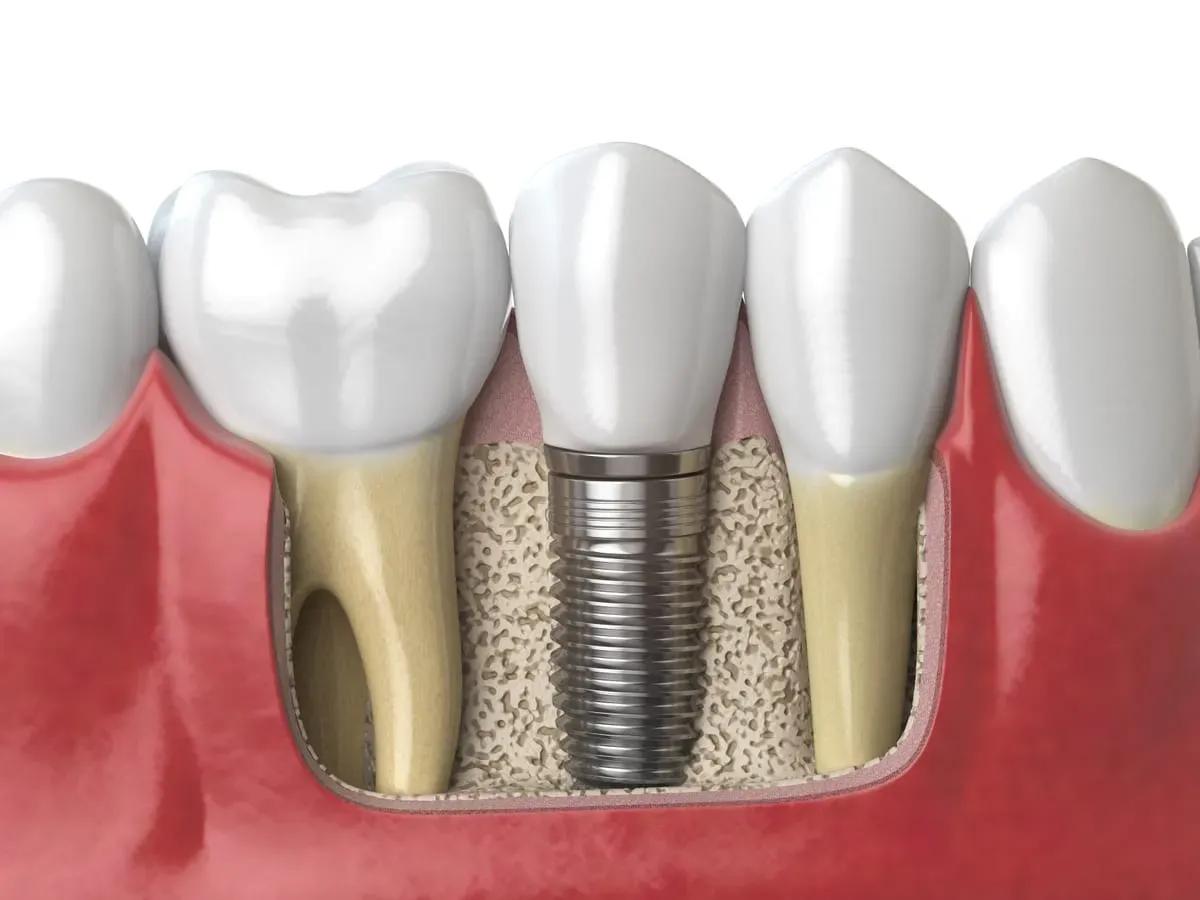
Unlike a removable denture or a bridge that relies on neighboring teeth for support, an implant restoration replaces the entire tooth structure, root included. A small titanium or zirconia post is placed into the jawbone, and once it has fused with the bone, a custom crown is attached on top. The result functions and looks like a natural tooth because, structurally, it mimics one.
This article walks through how implant restorations work, who is a good candidate, what the appointments actually involve, and how to care for your new tooth once treatment is complete. Whether you're missing a single tooth or several, understanding the process will help you ask better questions at your consultation and feel more prepared going into treatment.
In This Article
What Implant Restorations Actually Replace
When a tooth is lost, you lose both the visible crown and the root anchored in your jawbone. Most traditional replacement options, like a denture or a fixed bridge, only address the visible part. They sit on top of the gum or borrow support from adjacent teeth, which means the jawbone underneath the gap continues to shrink over time because it's no longer being stimulated by a root.
An implant restoration is different because it replaces the root itself. The titanium or zirconia post acts as an artificial root that fuses with the surrounding bone through a process called osseointegration. Once that fusion is complete, the bone receives the same kind of stimulation it would from a natural tooth root, which helps preserve jaw structure and facial shape over the years. This is one of the biggest long-term advantages implants have over dentures or bridges.
Are You a Good Candidate for an Implant?
Most adults with good general health and adequate jawbone density are candidates for implant restorations. The best way to find out is through a thorough exam that includes imaging of your jaw, since bone volume and quality determine how predictably an implant will integrate. We rely on CBCT 3D imaging to map out bone density, nerve positioning, and sinus location before recommending a treatment plan, which gives a far more precise picture than a standard X-ray alone.
Certain conditions can complicate implant placement, though they rarely rule it out entirely. Uncontrolled diabetes, active gum disease, heavy smoking, and significant bone loss from long-term tooth absence all require extra planning. In many cases, a bone graft or treating active periodontal disease ahead of time resolves the issue and still allows for successful implant placement down the road.
- Sufficient bone density: Enough healthy jawbone to anchor the implant securely, or a willingness to undergo grafting first.
- Healthy gums: Gum disease needs to be treated before an implant is placed, since infection can interfere with healing.
- Stable overall health: Chronic conditions should be reasonably well managed before surgery is scheduled.
- Commitment to aftercare: Daily hygiene and regular checkups are essential to protecting the investment long-term.
The Implant Restoration Process, Step by Step
Treatment typically unfolds across a few distinct phases rather than a single appointment. First comes the consultation and imaging, where we evaluate bone structure, plan the implant position, and discuss whether a tooth extraction or bone graft needs to happen first. If an extraction is needed, we often use our digital impressions technology to plan the restoration with precision before any surgery takes place.
Next, the implant post is surgically placed into the jawbone under local anesthesia. This appointment is generally quicker and more comfortable than patients expect, with most describing the recovery as similar to a tooth extraction. Over the following months, osseointegration occurs as the bone grows around the implant surface, creating a stable foundation. Once healing is confirmed, an abutment connector is attached, and a custom crown, bridge, or denture is fabricated and fitted on top to complete the restoration.
Single Crowns, Bridges, and Full-Arch Options
Implant restorations aren't a one-size-fits-all solution. A single missing tooth usually calls for one implant topped with a custom dental crown, matched in shape and shade to your natural teeth. When several teeth in a row are missing, an implant-supported bridge can replace multiple teeth while anchoring to just two or three implant posts rather than requiring one implant per tooth.
For patients missing most or all of their teeth in an arch, implant-supported full dentures offer a fixed or semi-removable alternative to traditional dentures. These typically use four to six strategically placed implants to support an entire arch of replacement teeth, dramatically improving chewing stability and eliminating the slipping that often frustrates denture wearers. Your dentist will recommend the configuration that best matches your bone structure, bite, and budget during the planning phase.
Healing Time and What to Expect Afterward
Osseointegration, the process where bone fuses to the implant surface, generally takes three to six months, though it can vary based on bone quality and whether a graft was performed. During this window, most patients return to normal eating and speaking within a week or two, with only mild soreness managed by over-the-counter pain relief.
It's normal to have a temporary tooth or healing cap in place while the implant integrates, so you're never left with a visible gap during treatment. We schedule follow-up visits throughout this period to confirm healing is on track before moving forward with the final crown placement. Patience during this phase matters: rushing the restoration step before the bone has fully integrated can shorten the lifespan of the final result.
Caring for Your Implant Long-Term
A well-placed implant restoration can last decades, often a lifetime, with the right care. Brushing twice daily, flossing around the implant crown, and keeping up with routine dental cleanings prevents the buildup of plaque that can lead to peri-implantitis, a gum infection around the implant that's the leading cause of implant failure when left untreated.
We also recommend wearing a night guard if you grind your teeth, since excessive force can loosen an implant over time even though the crown itself is highly durable. Routine exams let us monitor the implant and surrounding bone through imaging, catching any small issues early rather than after they've become costly problems.
Key Clinical Takeaways
- Implants replace both the root and crown of a missing tooth, which helps preserve jawbone density long-term.
- 3D imaging and digital planning allow for precise, predictable implant placement before surgery even begins.
- Healing (osseointegration) typically takes three to six months before the final crown is attached.
- Single teeth, multiple-tooth gaps, and full arches each have a tailored implant solution.
- Consistent hygiene and regular checkups are what allow an implant restoration to last for decades.
Frequently Asked Questions
Does getting an implant hurt?
Most patients describe the placement procedure as less uncomfortable than they anticipated, since it's performed under local anesthesia. Mild soreness and swelling for a few days afterward is normal and typically managed with over-the-counter pain medication.
How long does the entire process take from start to finish?
A straightforward single-tooth implant without grafting usually takes three to six months from placement to final crown. Cases requiring a bone graft or tooth extraction beforehand may take several months longer to allow proper healing at each stage.
What happens if I don't have enough jawbone for an implant?
A bone graft can rebuild lost volume in the jaw, giving the implant a stable foundation to integrate with. This is common for patients who have gone years without replacing a missing tooth, since bone naturally resorbs in that area over time.
Are implant restorations noticeable compared to natural teeth?
No. The final crown is custom shaded and shaped to blend seamlessly with your surrounding teeth. Most people won't be able to tell which tooth is the implant once treatment is complete.
How is an implant different from a dental bridge?
A traditional bridge relies on grinding down the adjacent healthy teeth for support, while an implant stands independently without affecting neighboring teeth. Implants also stimulate the jawbone the way a bridge cannot, which helps prevent the bone loss that occurs under a bridge over time.
Making the Decision With Confidence
Choosing how to replace a missing tooth is a decision worth taking time with, and understanding the full process helps take the uncertainty out of it. Implant restorations stand apart because they address the problem at its root, literally, preserving your bone structure and giving you a replacement tooth built to function like your own for years to come.
If you're missing one tooth or several, the right next step is a thorough evaluation to see what your jawbone and overall oral health call for. Our team at Downtown Dental is glad to walk you through imaging results, treatment timelines, and what to expect at every stage, so you can move forward with a plan that fits your mouth and your life here in Rapid City.