Preventive Care

Dental Cleanings in Rapid City, South Dakota

Thorough, gentle hygiene care that keeps your gums healthy and your smile bright, visit after visit.

Dental Cleanings in Rapid City, South Dakota
Preventive Dental Care

Dental Cleanings in Rapid City, South Dakota

Even the most diligent brushing and flossing routine leaves behind a thin film of bacteria called plaque. Left in place, plaque hardens into tartar within days, a calcified deposit that clings to your teeth and along the gumline where a toothbrush simply cannot reach it. Over months and years, this buildup irritates gum tissue, contributes to bad breath, and sets the stage for cavities and gum disease. Routine dental cleanings at Downtown Dental are designed to interrupt that cycle before it causes lasting damage.

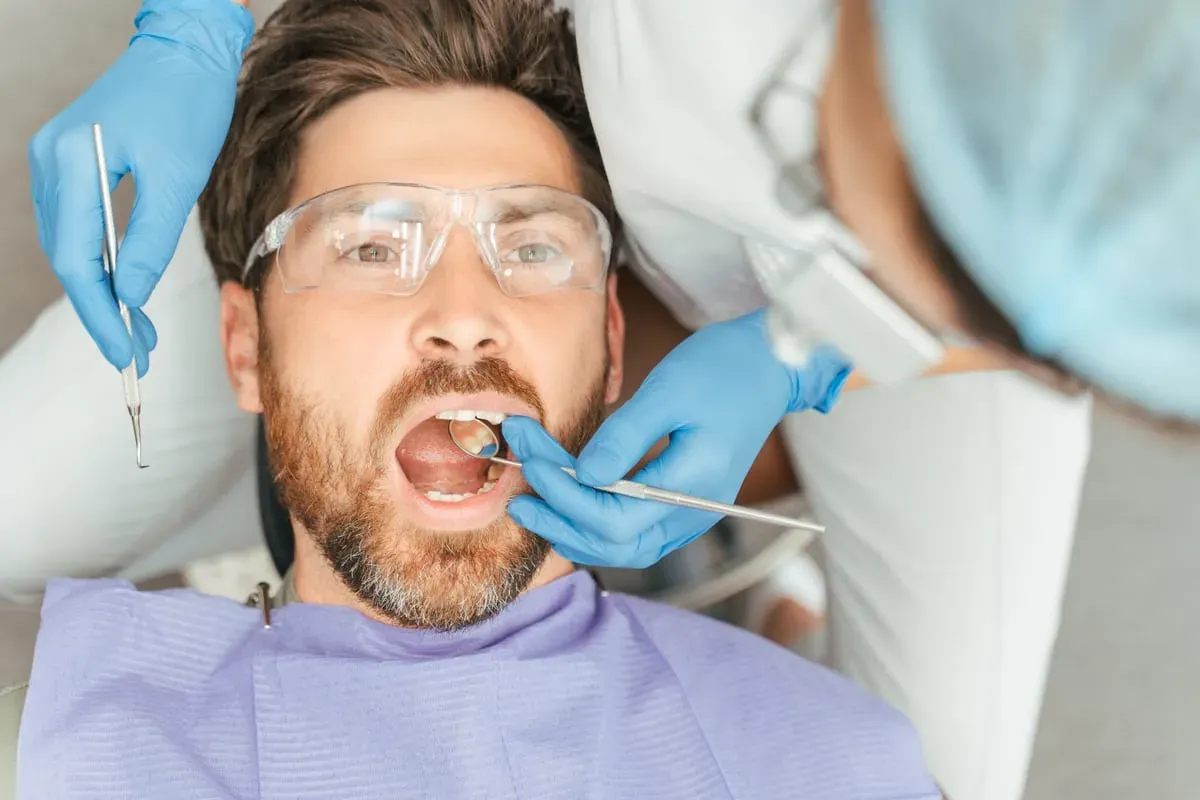
During a professional cleaning, our hygienists use specialized instruments to gently remove plaque and tartar from areas that are easy to miss at home, including between teeth and just beneath the gumline. Many Rapid City patients tell us their teeth feel noticeably smoother and their mouth feels fresher immediately after their appointment. Beyond the immediate comfort, consistent cleanings protect the bone and connective tissue that hold your teeth in place, which is the real foundation of a healthy, lasting smile.

Our approach centers on comfort and clear communication. We explain what we see, point out any areas that need extra attention at home, and tailor the frequency of your visits to your individual risk factors rather than applying a one-size-fits-all schedule. Whether it has been six months or several years since your last cleaning, our team will meet you where you are without judgment.

Schedule a Consultation

Signs Your Mouth Needs a Professional Cleaning

Plaque and tartar buildup don't always announce themselves clearly, and symptoms can be subtle at first. Here are some common signs we hear about from patients in Rapid City before they come in for a cleaning.

  • Bleeding gums: Pink in the sink when you brush or floss often signals early gum inflammation that a cleaning can reverse.
  • Persistent bad breath: Odor that mouthwash doesn't fix is frequently caused by bacteria trapped in tartar deposits.
  • Rough or fuzzy-feeling teeth: A gritty texture along the gumline usually indicates hardened tartar that needs professional removal.
  • Visible yellow or brown buildup: Staining near the gumline is a clear sign plaque has mineralized into tartar.
  • Swollen or tender gums: Puffy, sore gum tissue is one of the earliest indicators of gingivitis.
  • It's been over six months: Even with great home care, tartar accumulates steadily and needs periodic removal.
  • New sensitivity to hot or cold: Gum recession from untreated buildup can expose sensitive root surfaces.
  • Loose-feeling teeth: Advancing gum disease can weaken the supporting bone, making teeth feel less stable.
  • A metallic taste: Bacterial buildup below the gumline can produce an unusual taste that lingers throughout the day.
  • Family history of gum disease: Genetics play a role, so more frequent cleanings may be recommended if it runs in your family.

None of these signs are something to manage on your own. A short evaluation lets us catch inflammation and buildup early, well before they progress into deeper gum disease or tooth decay that requires more involved treatment.

What Causes Plaque and Tartar Buildup

Plaque forms on everyone's teeth, but several everyday factors determine how quickly it accumulates and how much damage it causes over time.

Diet High in Sugar and Starch

Sugary and starchy foods feed the bacteria that form plaque. Frequent snacking without brushing afterward gives bacteria constant fuel to multiply.

Inconsistent Brushing Technique

Rushing through brushing or missing the gumline leaves plaque in place long enough to harden. Even two minutes, twice daily, needs proper technique to be effective.

Tobacco Use

Smoking and vaping restrict blood flow to the gums, slow healing, and accelerate tartar buildup, making professional cleanings even more important.

Dry Mouth

Saliva naturally washes away food particles and neutralizes acid. Medications or health conditions that reduce saliva flow allow plaque to accumulate faster.

Genetic Susceptibility

Some patients are simply more prone to tartar formation and gum inflammation regardless of their home care habits, which calls for a more frequent cleaning schedule.

Crowded or Misaligned Teeth

Overlapping teeth create tight spaces that are difficult to clean thoroughly at home, giving plaque a protected place to harden into tartar.

What Happens During Your Cleaning Visit

Every cleaning appointment follows a clear, patient-centered sequence so you know exactly what to expect from the moment you sit in the chair.

1

Initial Consultation & Discussion

We start by asking about any discomfort, dietary habits, and medical history changes since your last visit, so your care plan reflects your current needs.

2

Comprehensive Clinical Evaluation

Your hygienist checks gum health, measures pocket depth where needed, and flags any areas of concern for the dentist to review before cleaning begins.

3

Scaling and Tartar Removal

Using fine instruments, we carefully remove plaque and tartar from every surface, including the tight spaces between teeth and along the gumline.

4

Polishing & Fluoride Treatment

A gentle polish smooths enamel and removes surface stains, while a fluoride treatment strengthens teeth against future decay.

5

Ongoing Support & Follow-Up

Before you leave, we review your home care routine, answer questions, and schedule your next visit based on your individual oral health needs.

What Regular Cleanings Do for Your Smile

A professional cleaning accomplishes far more than a polished appearance. It delivers lasting health benefits that protect your teeth and gums for years to come.

Healthier Gums

Removing bacteria at the gumline reduces inflammation, bleeding, and tenderness, allowing irritated tissue to heal and reattach firmly around each tooth.

Fresher Breath

Eliminating the bacterial buildup responsible for odor leaves your breath noticeably fresher, often for weeks after your appointment.

Lower Cavity Risk

Fluoride treatments and thorough plaque removal strengthen enamel, making it more resistant to the acid that causes decay between visits.

Early Problem Detection

Cleanings give us a close look at your mouth, so small issues like early decay or a developing crack get caught before they become costly repairs.

Brighter, Smoother Teeth

Polishing lifts surface stains from coffee, tea, and everyday foods, leaving your teeth smoother and more resistant to new staining.

Protection for Overall Health

Research continues to link gum health with cardiovascular and overall wellness, making routine cleanings a meaningful part of whole-body health.

Why Tartar Needs Professional Removal, Not Just Brushing

Plaque is soft and sticky, which is why a toothbrush can disrupt it when you clean consistently at home. Once it mineralizes into tartar, usually within 24 to 72 hours, it bonds tightly to tooth enamel and root surfaces. At that point, no amount of brushing or flossing will remove it; only specialized dental instruments can safely break the bond without damaging the tooth underneath.

Tartar below the gumline is particularly concerning because it creates a rough surface where bacteria continue to colonize, pushing the gum tissue further away from the tooth. This process, left unaddressed, gradually breaks down the bone and ligament structures that anchor your teeth. It is a slow, often painless progression, which is exactly why routine cleanings matter even when nothing feels wrong.

By removing tartar at regular intervals, we keep the gum tissue tight against the tooth and prevent the pocket formation that characterizes advancing gum disease. For patients who already show early pocket depth, more frequent cleanings or a deeper periodontal cleaning may be recommended to bring the gums back to a healthy, stable state.

Supporting Your Cleanings with Good Habits at Home

The time between your cleanings matters just as much as the appointment itself. These habits help slow plaque buildup and keep your gums healthier between visits.

Brush Twice Daily with Proper Technique

Angle your brush toward the gumline at 45 degrees and use gentle, circular motions for a full two minutes, morning and night.

Floss Once Every Day

Flossing reaches the tight contact points between teeth that a toothbrush bristle simply cannot access, removing plaque before it hardens.

Limit Sugary and Acidic Snacks

Frequent snacking keeps your mouth in an acidic state longer, so spacing out sugary foods gives your saliva time to neutralize and repair enamel.

Stay Hydrated

Drinking water throughout the day helps rinse away food particles and keeps saliva flowing, which naturally slows plaque formation.

Use an Antimicrobial Mouth Rinse

A dentist-recommended rinse can reduce the bacterial load in your mouth, complementing your brushing and flossing routine.

Keep Your Six-Month Schedule

Consistent cleanings catch buildup while it is still manageable, preventing the need for more intensive periodontal treatment later.

These habits make a real difference, but they work best alongside, not instead of, regular professional cleanings and exams from our team.

"We want every patient to leave their cleaning feeling genuinely cared for, not rushed through an appointment. A healthy mouth starts with consistent, gentle attention, and that's what we aim to provide at every visit."
Clinical Team•Downtown Dental
FAQs

Frequently Asked Questions

Answers to the questions Rapid City patients ask most often about professional dental cleanings.

How often should I get a dental cleaning?
Most patients benefit from a cleaning every six months, which allows us to remove buildup before it hardens into tartar and causes gum irritation. If you have a history of gum disease, smoke, or have certain medical conditions, we may recommend cleanings every three to four months instead.
Does a professional cleaning hurt?
Most patients feel only mild pressure during a routine cleaning, not pain. If you have significant tartar buildup or sensitive gums, you might notice some brief tenderness, and we can offer a topical numbing gel to keep you comfortable throughout the appointment.
How long does a dental cleaning appointment take?
A standard cleaning typically takes 30 to 60 minutes, including an evaluation, scaling, polishing, and a fluoride treatment. If it has been a while since your last visit or you have heavier tartar buildup, your appointment may run a bit longer to ensure a thorough cleaning.
Will my dental insurance cover a cleaning?
Most dental insurance plans cover preventive cleanings at 100%, often up to two visits per year. Our front desk team can verify your specific benefits before your appointment so you know exactly what to expect, and we also offer flexible financing for patients without insurance.
What is the difference between a regular cleaning and a deep cleaning?
A routine cleaning addresses plaque and tartar above and slightly below the gumline for patients with healthy gums. A deep cleaning, called scaling and root planing, is recommended when gum pockets have deepened and bacteria have accumulated further below the gumline, requiring a more thorough, sometimes multi-visit approach.
Can children get professional cleanings too?
Yes, children benefit from gentle cleanings starting around age two or three, once a full set of baby teeth has come in. We use a kid-friendly approach and smaller instruments to make the experience comfortable and build positive dental habits early.
Why do my teeth feel sensitive after a cleaning?
Mild sensitivity for a day or two is common after tartar removal, especially if there was significant buildup along the roots that is now exposed to air and temperature. This typically resolves on its own, and a sensitivity toothpaste can help if discomfort lingers longer than a few days.

BOOK YOUR VISIT

Start your family dentistry journey in Rapid City

Join the Rapid City families who trust Downtown Dental. New patients and emergencies are always welcome.